Category: Comparisons
All blog posts in this category.
- 16 Mar, 2026
Piwik PRO pricing change: what former Core users should verify next
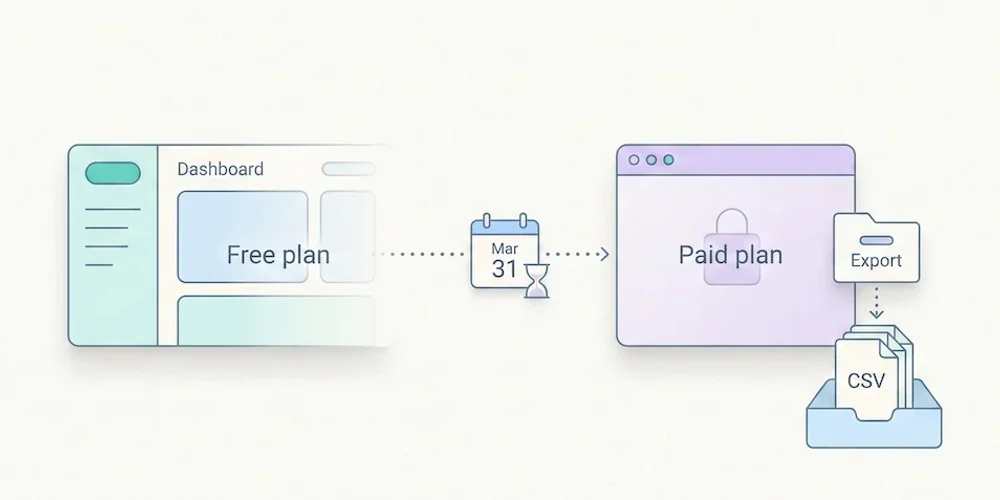
According to Piwik PRO's July 2025 announcement, the economics of the Core offer changed and Business and Enterprise became the paid routes highlighted for hosted professional use. For teams that adopted Core because it was free, the right response is not panic. It is a structured migration review. As of May 9, 2026, buyers should verify current pricing and terms on Piwik PRO's official pages before making a decision. Vendor pricing changes quickly, and analytics migrations are expensive when they are rushed. The decision is about ownership, not only price The repositioning of a generous free analytics tier forces a useful question: what are you actually paying for? If Piwik PRO remains the right product, the budget may be justified by governance, support, hosted infrastructure, retention and enterprise controls. If the team mainly needs readable traffic reporting, a lighter privacy-first SaaS or a self-hosted tool may be a better fit. The mistake is to compare only monthly list prices. The real cost includes setup, data retention, access management, documentation, legal review, reporting adoption and the effort required to explain the dashboard to non-specialists. Migration checklist Before changing tools, export and document:current sites, domains and tracking snippets; retention settings and historical data that must be preserved; dashboards or reports used by leadership, clients or marketing; goals, events and campaign parameters that are still useful; data-processing agreements and provider roles; access rights and users who must be migrated; privacy-policy wording and internal records of processing; the date when old and new tools will run in parallel.Run both tools side by side for a short period when possible. This gives the team a bridge for trend comparison and avoids treating a tool migration as a sudden drop in traffic. How to compare alternatives For a European SME, B2B SaaS or multi-site digital team, use five criteria:Does the tool answer the questions the team actually asks every week? Does the collection model separate minimal analytics from enriched tracking? Are pricing, retention and user limits easy to understand? Can non-specialists read the reports without training? Is the privacy documentation specific enough for your legal review?Plausible, Fathom, Simple Analytics, Matomo and Pomelo can all be reasonable depending on the answer. The best choice is the one that matches your operating model, not the one with the loudest comparison table. Where Pomelo fits Pomelo's intended launch position is narrower and clearer: cookieless by default, Strict first, Extended by explicit configuration, and dashboards designed for teams that need actionable reporting rather than analytics administration. That does not make it a universal replacement for Piwik PRO. It makes it a good candidate when the team wants minimal collection, multi-site readability and a product that documents the difference between baseline and enriched data. Sources Sources checked on May 9, 2026.Piwik PRO, Introducing the new Piwik PRO Core and updated pricing, July 3, 2025 Piwik PRO, Business plan Piwik PRO, Pricing Matomo, Pricing Plausible, subscription plans
- 02 Mar, 2026
Plausible vs Fathom vs Simple Analytics: a practical 2026 comparison
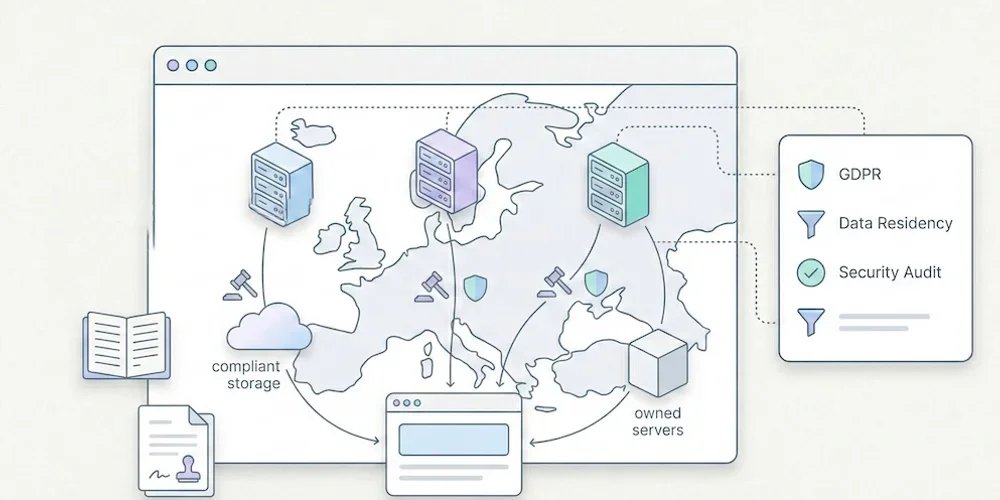
Plausible, Fathom and Simple Analytics sit in the same broad category: lightweight, privacy-first web analytics for teams that do not want the complexity of GA4 or an enterprise analytics suite. They are not interchangeable, though. The right choice depends on your traffic volume, team model, reporting needs, hosting expectations and internal privacy review. Prices and packaging change often. This comparison is based on public vendor pages checked on May 9, 2026. Always verify the current vendor page before buying. The short version Choose Plausible if you want an established open-source product, a clean dashboard, a self-hosting route and detailed documentation around subscription tiers. Choose Fathom if you want a simple paid SaaS with a deliberately small feature surface and straightforward multi-site pricing. Choose Simple Analytics if you want a Netherlands-based product with a clearly documented privacy posture, simple reports and a free entry point within the vendor's published limits. Choose Pomelo if your priority is multi-site reporting for European SMEs, B2B SaaS teams and agencies, with Strict collection by default and Extended collection only when explicitly configured. Comparison tableCriterion Plausible Fathom Simple AnalyticsMain fit Teams wanting open-source credibility and simple reports Teams wanting a compact paid SaaS Teams prioritizing documented privacy posturePricing model Subscription tiers by usage Subscription tiers by pageviews Free or paid plans depending on usage limitsSelf-hosting Community Edition available Not the core model Not the core modelMulti-site use Supported Supported Supported by planReporting style Minimal dashboard, events, goals, campaigns Minimal dashboard, events, campaigns Minimal dashboard, goals, referrersBuyer risk to verify Plan limits, self-hosting maintenance, imported history Plan fit and feature depth Plan limits and event/view countingPrivacy posture is a configuration question All three vendors position themselves around privacy-first analytics, but a vendor promise is not the same as your live setup. Your team still needs to document:what the script collects; whether events or campaign parameters add personal or sensitive context; retention periods; provider role and data-processing terms; transfers and hosting location; whether other trackers on the same site change the consent analysis.This is where Pomelo's Strict/Extended split is useful as a product model. Strict should cover baseline audience reporting. Extended should be a deliberate setting for richer campaign, event, goal or technical context. The dashboard should explain the effect of that setting instead of hiding it inside marketing copy. Pricing should be compared at your real volume Do not compare only entry prices. Model the cost at your actual monthly pageviews, number of sites, number of users, retention needs and export/API expectations. For example, a tool that is cheaper at 10,000 monthly pageviews may be more expensive at 500,000. A self-hosted option may reduce subscription fees but add infrastructure, backup and maintenance cost. A plan with generous site limits may be cheaper for an agency than a plan priced per site. Reporting quality matters more than feature count The best analytics tool is the one the team actually reads. Before buying, ask the person who will use the dashboard every week to answer three questions from a trial account:Which acquisition sources are working? Which content or pages deserve action? Which conversions changed materially since last period?If the tool cannot answer those questions quickly, more reports will not fix the problem. Sources Sources checked on May 9, 2026.Plausible, subscription plans Plausible, data policy Fathom, pricing Fathom, features Simple Analytics, pricing Simple Analytics, what we collect