Cookieless measurement: simpler analytics for small businesses
- 16 Feb, 2026
Large organizations often need months to change analytics tools. They have tag managers, consent platforms, data warehouses, agency workflows, advertising pixels, dashboards and historical reporting commitments. SMEs usually have less legacy. That can be an advantage if they keep the migration disciplined.
Cookieless analytics is not magic. It is a product and governance choice: collect less, document more clearly, and focus on reports the team actually reads.
Why SMEs can move faster
SMEs usually have fewer stakeholders, fewer custom tags and fewer legacy dashboards. A small team can audit its measurement stack in a day, remove unnecessary scripts and agree on a simpler reporting model.
The advantage is not size by itself. The advantage is decision speed. A founder, marketing lead, product manager and developer can sit together and decide what is genuinely needed for launch.
The practical playbook
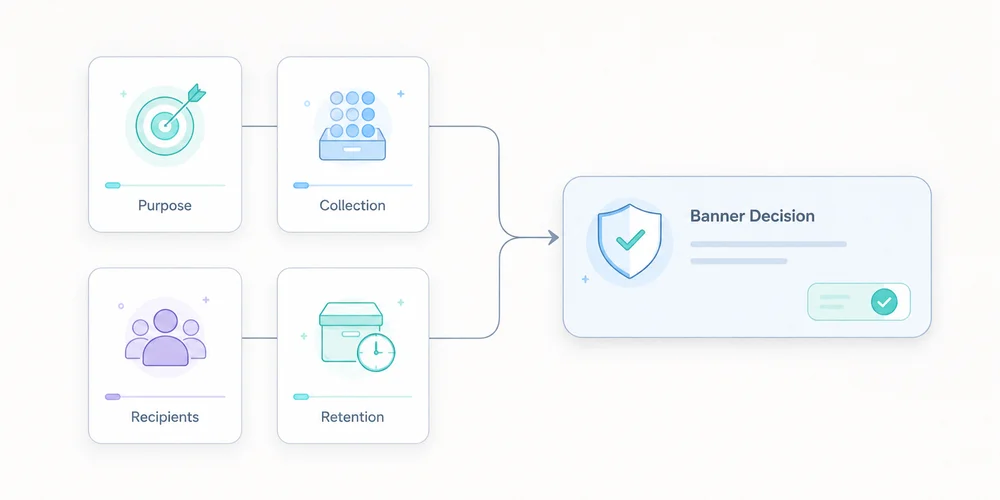
Start with four questions:
- Which decisions will analytics support each week?
- Which fields are necessary for those decisions?
- Which fields belong only in marketing steering, with consent?
- Who owns future changes to the tracking plan?
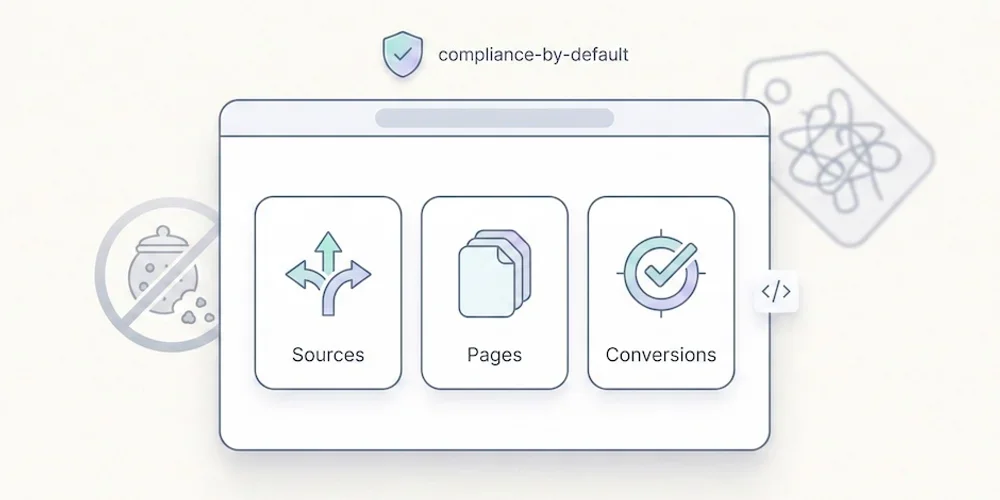
Then implement the simplest audience measurement possible. Page views, sources, top content, key actions and trend comparison are enough for many SME sites. Campaign tracking, detailed goals and multi-site segmentation should be added deliberately when they create real value.
What to avoid
Avoid rebuilding the complexity you were trying to escape:
- installing multiple analytics scripts for the same question;
- keeping old pixels “just in case”;
- collecting campaign parameters nobody reviews;
- adding custom events before the team has defined success;
- presenting privacy posture as a generic guarantee instead of documenting the setup.
Start with a limited measurement scope
Choose the measurements your reporting needs: content viewed, observable traffic sources and clearly defined actions. Add events or dimensions only when they answer a specific question.
Before each addition, inspect the data sent and assess its implications for consent, access and retention. Choosing a cookieless tool does not remove the need to review the website’s configuration.
Sources
Sources checked on May 9, 2026.